

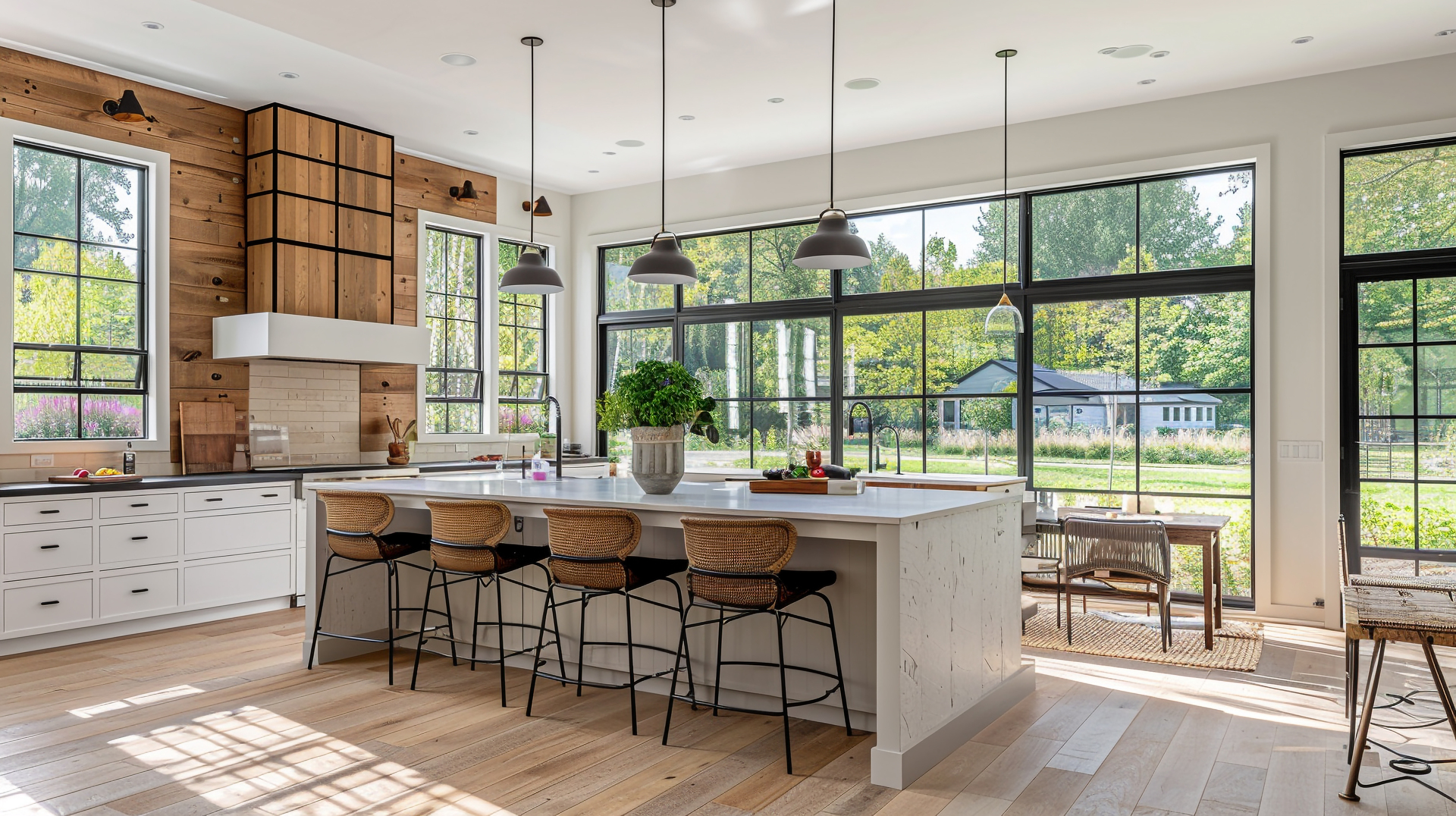
Hardwood flooring has long been associated with warmth, craftsmanship, and timeless design. Over the years, its use has expanded beyond living rooms and bedrooms into more functional spaces—most notably, kitchens. While hardwood kitchens can look stunning, they also raise practical questions about durability, moisture, and long-term performance. Understanding both the advantages and the drawbacks helps homeowners make confident, informed decisions that align with how the kitchen is actually used day to day.
Why hardwood floors continue to appeal in kitchen spaces
Hardwood floors bring a natural elegance that few materials can replicate. In kitchens, this translates into a seamless, inviting look that connects cooking areas with adjacent living or dining spaces. Open-concept homes especially benefit from hardwood’s ability to create visual continuity without abrupt flooring transitions.
Beyond aesthetics, hardwood adds real value. Homes with well-maintained hardwood floors often appeal to buyers looking for long-lasting materials with character. Kitchens finished with wood flooring can feel less utilitarian and more like an extension of the home’s living space, which resonates strongly in modern home design.
The warmth and comfort factor underfoot
One of hardwood’s biggest advantages in kitchens is comfort. Compared to tile or stone, wood feels warmer underfoot and has a bit of natural give, which helps reduce fatigue during long cooking or standing sessions. This makes a noticeable difference for households that spend a lot of time preparing meals or gathering in the kitchen.
Hardwood also absorbs sound better than harder surfaces. In busy homes, this can help soften noise from footsteps, dropped utensils, or moving chairs—something often overlooked when choosing kitchen flooring.
Moisture exposure and everyday spills
Water is the primary concern when considering hardwood floors in kitchens. Spills, splashes from sinks, and moisture from dishwashers or refrigerators can seep into wood if not addressed quickly. Over time, repeated exposure may lead to warping, cupping, or gaps between planks.
That said, kitchens are not bathrooms. With attentive maintenance and prompt cleanup, hardwood can perform well in this space. Many homeowners successfully use hardwood in kitchens by being mindful of water-prone areas and placing mats near sinks and appliances.
Durability and wear in high-traffic zones
Kitchens are among the most heavily used rooms in any home, which means floors take a beating. Hardwood is durable, but it is not immune to scratches from dropped cookware, pet nails, or dragged chairs. Over time, signs of wear may become visible, especially in high-traffic paths between work zones.
The upside is that hardwood can be refinished. Unlike many other flooring materials, scratches and surface wear are not permanent. Periodic refinishing can restore the floor’s appearance and extend its lifespan for decades.
Cleaning and maintenance expectations
Hardwood kitchen floors require a different cleaning approach compared to tile or vinyl. Excess water and steam should be avoided, and spills should be wiped up promptly. Regular sweeping or vacuuming helps prevent grit from scratching the surface, while damp—not wet—mopping keeps the floor clean without introducing excess moisture.
Using the right finish also matters. Modern sealants and finishes provide added protection against moisture and stains, making today’s hardwood floors more kitchen-friendly than in decades past.
How wood species and finish influence performance
Not all hardwoods perform the same in kitchens. Harder wood species tend to resist dents and wear better, while certain finishes offer enhanced moisture resistance. Wider planks may show movement more easily than narrower boards, which is another consideration in temperature- and humidity-fluctuating environments like kitchens.
Selecting the right combination of wood species, plank size, and finish can significantly reduce potential issues and improve long-term satisfaction.
Lifestyle considerations that matter most
Hardwood floors in kitchens work best when lifestyle expectations match the material. Households that cook frequently, entertain often, or have pets and children should weigh how much wear and maintenance feels reasonable. For some, the character and warmth hardwood develops over time is part of its charm. For others, the need for extra care may feel like a drawback.
Understanding daily habits—how often cooking happens, how spills are handled, and how much foot traffic the kitchen sees—helps clarify whether hardwood is the right fit.
Balancing design goals with practicality
For many homeowners, the decision comes down to balance. Hardwood floors offer unmatched visual appeal and comfort, but they demand attentiveness. When paired with proper installation, protective finishes, and mindful maintenance, hardwood kitchens can age beautifully. Without those considerations, frustrations can build.
Evaluating both the emotional appeal and the practical realities ensures the flooring choice supports both style and function.
When hardwood kitchens make the most sense
Hardwood floors are an excellent option for kitchens that prioritize design continuity, warmth, and long-term value. They shine in homes where spills are managed promptly and maintenance is part of regular care. In these settings, hardwood becomes not just a flooring choice, but a defining design feature that enhances the entire home.
Thinking about hardwood floors for a kitchen remodel in southwest Missouri? At The Carpet Shoppe, our flooring experts have helped homeowners in Springfield, Ozark, Nixa, Branson, and Republic choose flooring solutions that balance beauty and performance for over 50 years. Stop by our showroom or connect with our team to explore hardwood options that fit real-life kitchens and lasting expectations.

