

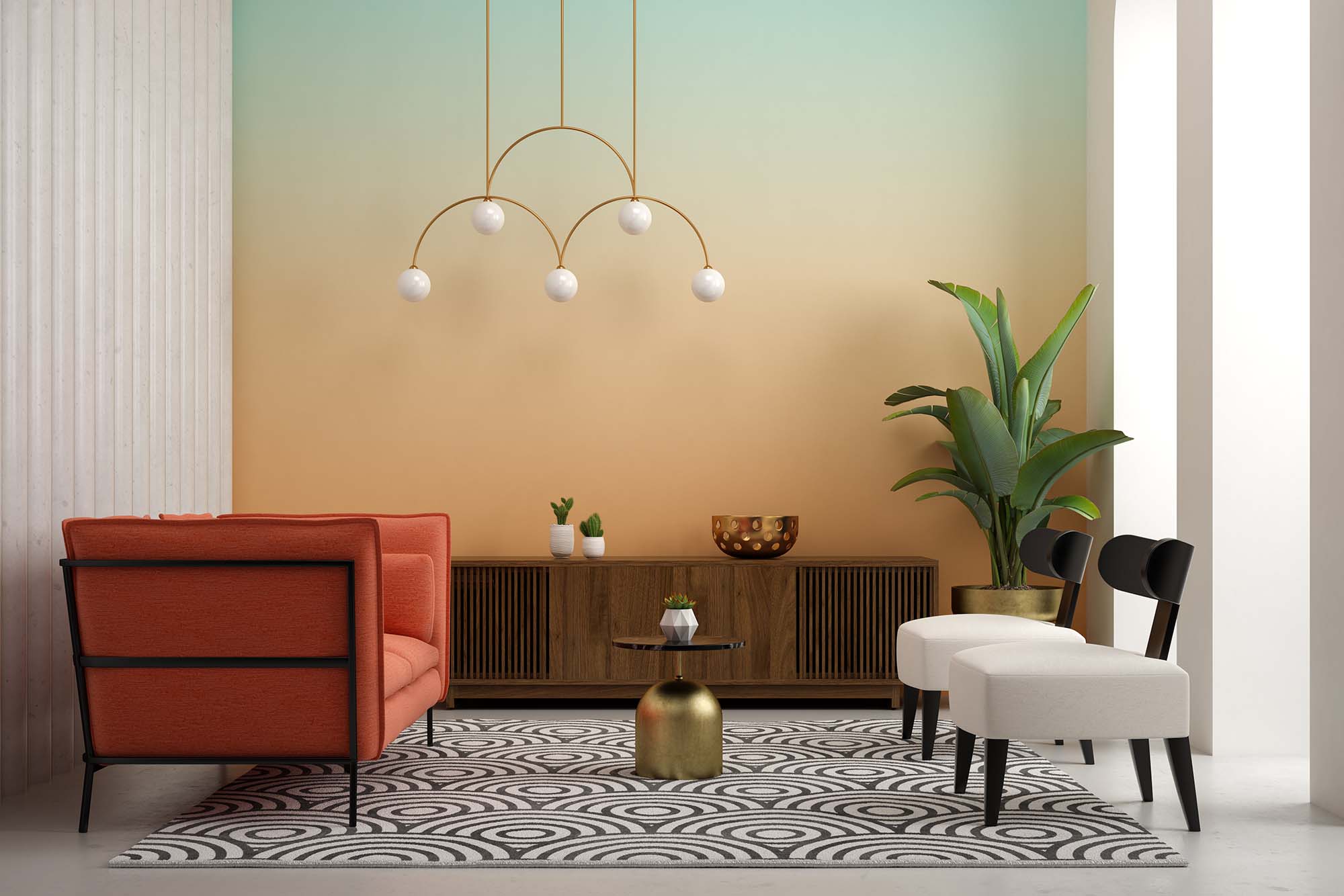
An area rug can completely change how a room feels without replacing the flooring underneath it. It can define a seating area, soften a bedroom, add pattern to a neutral space, or bring together colors that otherwise feel disconnected.
But choosing the right rug is about more than finding a pattern you like. Size, shape, texture, traffic, furniture placement, and the flooring beneath it all influence whether the finished room feels polished or slightly off.
Start With the Room's Function
Before looking at colors and patterns, consider how the room is used. A living room that hosts children, pets, and frequent gatherings needs a different rug than a formal sitting room. A bedroom may benefit from a softer, more comfortable texture, while an entryway calls for something that can handle frequent foot traffic.
Think about what happens on the rug every day. If furniture moves frequently, look for a style that will not make every small mark obvious. If pets are part of the household, consider how easily the rug can be cleaned and whether its texture is likely to trap hair and debris. The best area rugs are not simply attractive. They work with the way you live.
Get the Size Right
One of the most common area rug mistakes is choosing a rug that is too small for the furniture arrangement. In a living room, the rug should generally relate to the seating group rather than floating by itself in the center of the room.
Depending on the layout, you may want at least the front legs of major seating pieces to sit on the rug. In a dining room, the rug should extend beyond the table enough to allow chairs to remain on the rug when they are pulled away from the table. For a bedroom, you have several options.
A large rug can extend around the bed, while smaller runners or strategically placed rugs can add softness without covering as much of the floor. Measure the furniture arrangement before you shop. It is much easier to choose a rug size when you know exactly how much floor area you want to define.
Let the Rug Work With Your Flooring
Area rugs should complement the flooring underneath them, not compete with it. If you have richly patterned hardwood, a simpler rug can allow the natural character of the wood to remain visible. With a more neutral floor, a patterned rug can become the room's visual focal point.
The same principle applies to luxury vinyl, laminate, and tile. Look at the undertones of the flooring before choosing a rug. Warm flooring can pair naturally with earthy colors and warm neutrals, while cooler floors may work better with complementary cool or balanced tones.
In Springfield's mix of historic and newer homes, that can mean anything from a traditional patterned rug that works with original architectural details to a simpler contemporary design for an open-concept suburban interior.
Pay Attention to 2026 Rug Trends Without Chasing Them
Area rugs trends in 2026 continue to leave room for personality. Natural-looking textures, organic patterns, warm neutrals, vintage-inspired designs, and more expressive color combinations can all add character to a room.
The key is to use trends as inspiration rather than treating them as rules. A rug is easier to replace than flooring, which makes it a useful place to experiment. If your main flooring is neutral, you can introduce a stronger pattern or color through the rug.
If your furniture already makes a statement, a quieter rug may create better balance. Think about whether you would still enjoy the rug if the trend disappeared next year. If the answer is yes, it is probably a stronger choice for your home.
How Long Do Area Rugs Last?
There is no single answer to how long do area rugs last because durability depends heavily on material, construction, traffic, cleaning, sunlight exposure, and maintenance. A rug in a rarely used guest room may stay attractive for many years. One placed in a busy family room or entryway may show wear much sooner.
Rotate rugs where appropriate, follow the manufacturer's cleaning recommendations, and address spills promptly. A rug pad can also help provide cushioning, reduce movement, and protect the floor underneath. Most importantly, choose construction and material based on the room rather than assuming the most expensive rug is automatically the most suitable.
Build the Room Around What You Already Have
You do not need to redesign an entire room to make an area rug work. Start with the flooring, furniture, wall color, and major décor pieces already in place. Then look for a rug that connects at least a few of those elements through color, texture, or pattern.
If you are refreshing a room in Springfield, MO or one of the surrounding communities, The Carpet Shoppe can help you think through how an area rug will work alongside your flooring and overall design. Contact us today and visit our showroom to explore flooring options and get inspiration for your next update, whether you are in Springfield, MO or one of the communities we serve, including Ozark, MO, Nixa, MO, Branson, MO, and Republic, MO.

