

What to do when carpet gets wet
It starts with something small. A pipe sweats. A window gets left open during a Missouri thunderstorm. A pet knocks over a water bowl and it sits there longer than it should. Whatever the source, wet carpet is one of those situations where the clock starts ticking the moment it happens, and most homeowners do not realize just how fast mold can take hold underneath their feet.
Mold can begin developing in damp carpet and padding in as little as 24 to 48 hours. By the time you can smell it, the problem has already had a head start. The good news is that acting quickly and knowing what to do makes an enormous difference. Here are seven practical tips to dry wet carpet and keep mold from becoming the next problem you have to solve.
1. Remove the water source first
This sounds obvious, but it is the step people most often skip in the rush to start drying. If the water is still coming in, from a leaking pipe, a backed-up drain, or an open window in the rain, drying the carpet before stopping the source is a losing battle. Identify where the moisture is coming from and cut it off completely before anything else.
2. Extract as much water as possible immediately
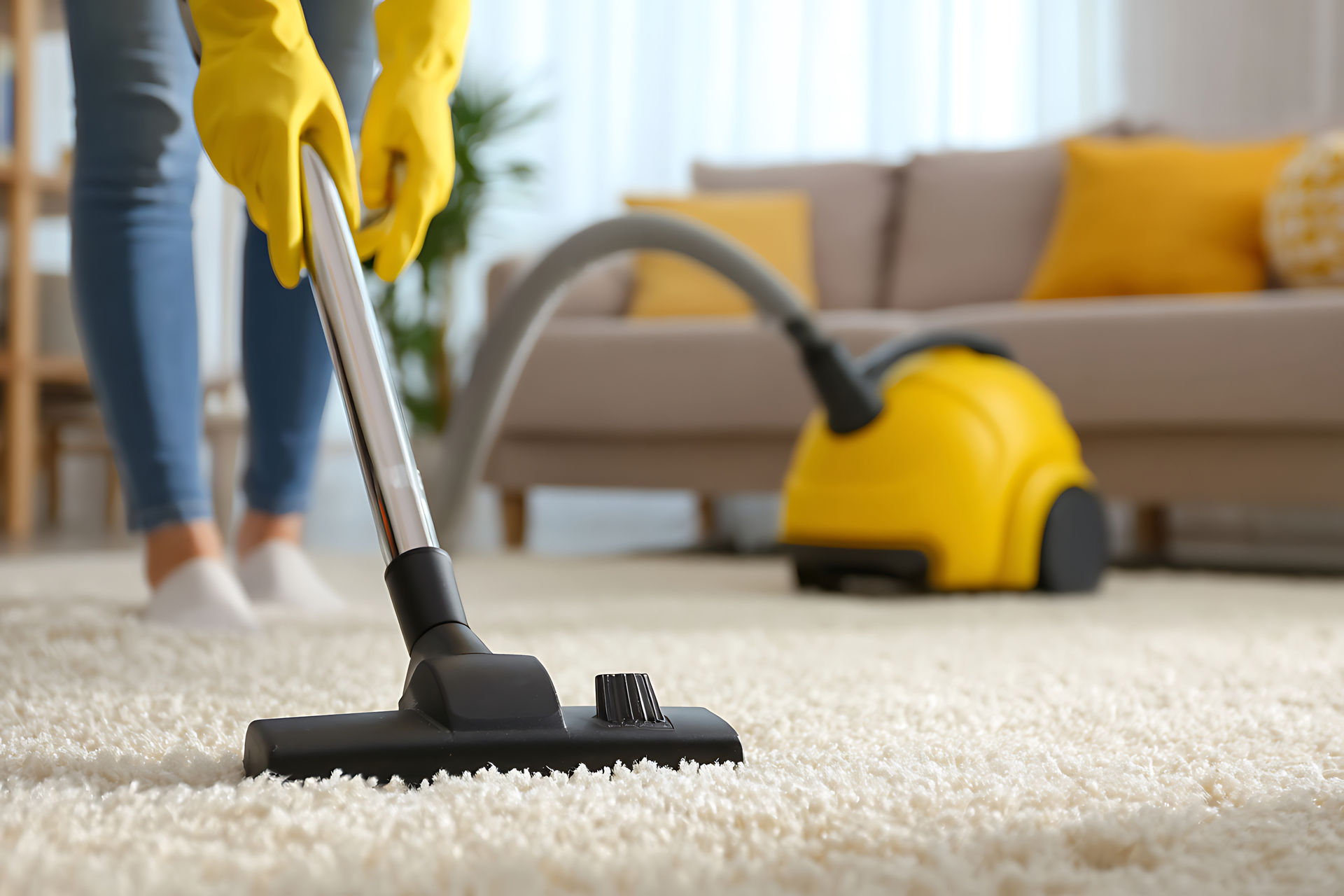
Time is the most important variable in this entire process. The faster you pull water out of the carpet, the less opportunity mold has to establish itself. A wet/dry shop vacuum is your best first tool. Make slow, overlapping passes across the affected area and empty the tank frequently. Do not use a standard household vacuum. The water will damage the motor and the carpet will not get adequately dry.
3. Pull back the carpet and address the padding
This is the step most DIYers skip, and it is often why mold still develops even after the carpet surface feels dry. Carpet padding absorbs and holds water like a sponge. In most cases where saturation is significant, the padding needs to come out entirely. It is relatively inexpensive to replace and far cheaper than dealing with a mold remediation job later. Pull back the carpet from the nearest wall, remove the wet padding, and allow the subfloor to dry completely before replacing anything.
4. Run fans and a dehumidifier simultaneously
Air movement is everything when it comes to drying carpet quickly. Position box fans or high-velocity fans directly over the wet area and keep them running continuously, not just for an hour or two. Pair this with a dehumidifier to pull the moisture out of the air in the room as the carpet releases it. In Missouri, where summer humidity is already high, a dehumidifier is not optional. Without one, the moist air has nowhere to go and the carpet stays damp far longer than it should.
5. Open windows strategically
On a dry day, cross-ventilation through open windows speeds up the drying process considerably. On a humid day, it does the opposite. Check the outdoor humidity before throwing windows open. If the air outside is heavier and more humid than inside, keep the windows closed and let the dehumidifier do the work instead.
6. Treat with a carpet-safe antimicrobial
Once the carpet is as dry as you can get it, apply a carpet-safe antimicrobial or disinfectant spray to the affected area. This step helps eliminate any mold spores that may have begun to develop during the drying process. Follow the manufacturer's directions carefully and allow it to dry fully before placing furniture or foot traffic back on the area. Referencing the guidance on carpet care and maintenance can also help you understand which cleaning products are safe for your specific carpet fiber and construction.
7. Know when the carpet cannot be saved
There is a point in every water damage situation where the honest answer is replacement, not restoration. If the carpet has been wet for more than 48 hours, if the water source was sewage or contaminated floodwater, or if you can already detect a musty odor after drying, the carpet and padding should come out. No amount of drying and treating will fully reverse the damage once mold has colonized the backing and fibers. Continuing to live on that carpet is not just a flooring issue. It is a health issue.
If you have reached that point, it is worth approaching the replacement as an opportunity rather than a loss. Today's carpet flooring options include moisture-resistant constructions, improved backing systems, and fiber technologies that are more resilient to everyday spills and humidity than what many older homes are currently living with.
When the damage is done, we are here
Wet carpet is stressful. Replacing it does not have to be. The Carpet Shoppe team in Springfield knows what southwest Missouri homes go through, from summer storms to basement moisture, and we carry a wide selection of carpet built to hold up to real life. Walk into our showroom, tell us what happened, and we will help you find the right fit for your space and your budget. Give us a call or stop by and see us at 1827 East Seminole Street in Springfield.

